
Jaguar
Panthera onca

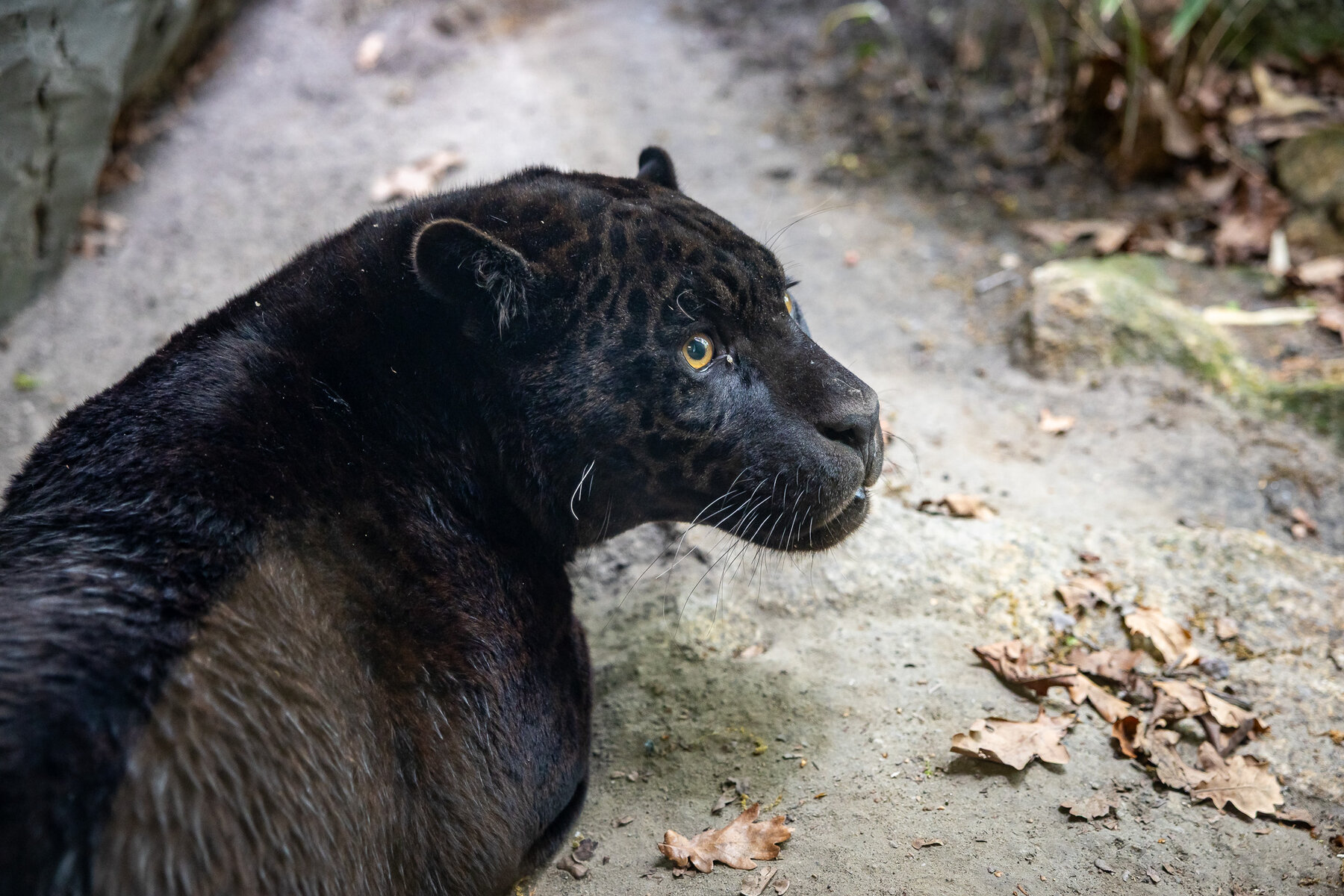
Charakteristics
- Origin
Central and South America, Southwest US, Mexico
- Habitat
mainly found in the tropical Amazon region, Pantanal virgin forests and bushlands, especially near water courses
- Diet
Partial to mammals up to the size of a tapir, small rodents, fish, frogs, anacondas and caimans.
- Status
The total population of jaguars is currently estimated at around 60,000 animals (2018).
- Size
The head-torso length about 112 cm to 185 cm, plus a 45-75 cm long tail. The shoulder height is on average about 70 cm.
- Weight
Male: 37-121 kg; female 31-100 kg
- Gestation period
93-105 days
- Achievable age
in human care up to 30 years
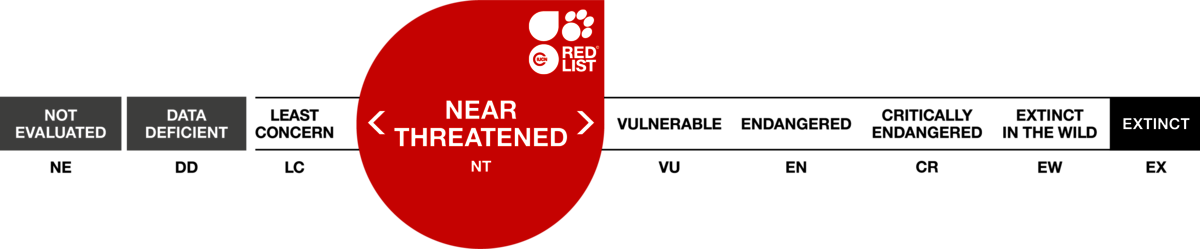
Threat Categories of IUCN

Did you know that ...
jaguars are the biggest feline predators in North and South America,
they can weigh up to 150 kg, they live up to about 12 years in the wild and up to 30 in captivity
and they are great climbers and swimmers?